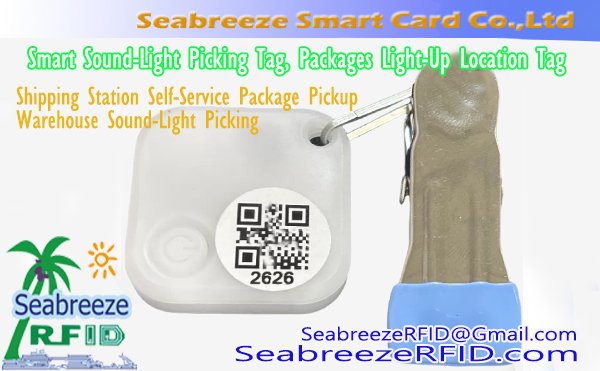
Nachdem ein Paket im Lager eingegangen ist, Daran ist ein intelligentes Sound-Light-Tag angebracht; wenn ein Benutzer den Abhol-QR-Code scannt, es löst einen Ton-Licht-Alarm aus, Ermöglicht den „Paketabruf in einer Sekunde“. Mit der rasanten Entwicklung des E-Commerce, Die Expresszustellungsbranche hat ein beispielloses Wachstum erlebt. Als Schlüsselknoten in der Logistikkette, Express-Zustellstationen übernehmen die Lagerung, Sortierung, und Zustellung großer Paketmengen. Traditionelle manuelle Managementmethoden haben nach und nach Probleme wie eine geringe Effizienz ans Licht gebracht, hohe Fehlerquoten, und steigende Arbeitskosten. Die Anwendung von RFID (Radiofrequenzidentifikation) Technologie in Kombination mit elektronischen Sound-Light-Tags hat eine revolutionäre Transformation bei der Verwaltung von Paketstationen mit sich gebracht. Seine Effizienz, Genauigkeit, und geringe Kosten machen es zu einem unverzichtbaren technologischen Werkzeug für moderne Paketstationen.
Anwendungsszenarien für RFID-Schall-Licht-Elektronik-Tags in Paketstationen
Paketeingangsverwaltung Automatisierte Registrierung: Wenn Pakete am Bahnhof ankommen, Der RFID-Leser scannt die Tags stapelweise, um den eingehenden Registrierungsprozess automatisch abzuschließen, Dadurch entfällt die Notwendigkeit einer manuellen Eingabe nacheinander. Informationsüberprüfung: Das System gleicht die Paketinformationen automatisch mit den Bestelldaten ab, Reduzierung menschlicher Fehler.
Paketsortierung und -klassifizierung Effiziente Sortierung: Durch Ton-Licht-Warnungen, Betreiber können Pakete in verschiedenen Zonen schnell identifizieren, Verbesserung der Sortiereffizienz. Dynamische Anpassung: Das System kann Sortierstrategien basierend auf dem Paketvolumen dynamisch anpassen, um Arbeitsabläufe zu optimieren.
Paketortung und -abholung Schnelle Lokalisierung: Wenn ein Benutzer ein Paket abholt, Das System aktiviert das Zielpaket und löst einen Ton-Licht-Alarm aus, Reduzierung der Suchzeit. Selbstbedienung: Integriert in Selbstbedienungs-Abholterminals, Benutzer können Ton-Licht-Warnungen auslösen, indem sie einen Abholcode scannen, unbemannte Operationen ermöglichen.
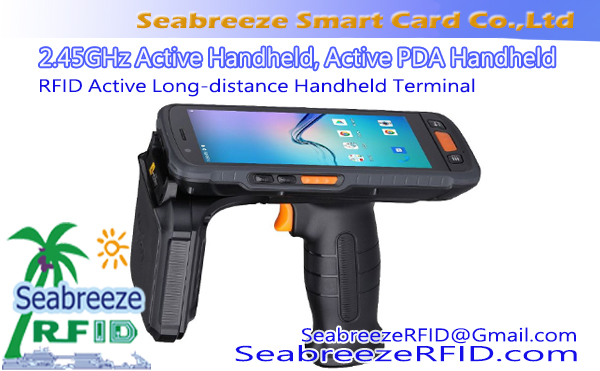
Bestandsverwaltung und Bestandsaufnahme Echtzeitüberwachung: Die RFID-Technologie ermöglicht die Echtzeitüberwachung des Paketlagerstatus, Verhinderung von Auslassungen oder Verlusten. Schnelle Bestandszählung: Durch Stapelscannen, Inventurzählungen können in kurzer Zeit durchgeführt werden, Verbesserung der Managementeffizienz. Vorteile von RFID-Sound-Light-Standort-Tags: Verbesserte Effizienz: Das herkömmliche manuelle Sortieren und Suchen von Paketen ist zeitaufwändig und arbeitsintensiv, wohingegen RFID-Ton-Licht-Ortungsetiketten eine Identifizierung und Ortung innerhalb von Sekunden ermöglichen, die Arbeitseffizienz deutlich steigern. Reduzierte Fehlerquote: Automatisierte Abläufe minimieren menschliches Eingreifen, Vermeidung von Fehlern, die durch Übermüdung oder Nachlässigkeit verursacht werden. Kosteneinsparungen: Der Einsatz der RFID-Technologie reduziert den Arbeitsaufwand und senkt die Betriebskosten, den Betrieb von Lieferstationen ermöglichen 24/7. Verbesserte Benutzererfahrung: Eine schnelle Paketabholung und ein präziser Service steigern die Benutzerzufriedenheit, Unterstützung der Lieferstationen beim Aufbau eines positiven Markenimages. Die Sound-Light-Tag-Lösung zur SB-Paketabholung für Zustellstationen bietet drei Umsetzungsmöglichkeiten: Möglichkeit 1: Standort der Mobiltelefonsuche Tragbarer Host + Android-Telefon (USB-Verbindung): Der tragbare Host wird über ein USB-Kabel mit einem Android-Telefon verbunden. Die eigenständige Ortungs-App auf dem Telefon sendet über den Host einen Anrufbefehl an das Tag. Systembeschränkungen: Unterstützt nur Android; unterstützt keine Apple iOS-Geräte. Stabile Verbindung: Kabelgebundene physische Verbindung mit hoher Störfestigkeit. Stabiles Signal. Eigenständiger Betrieb: Keine Internetverbindung erforderlich; Daten werden lokal gespeichert. Bietet gute Privatsphäre und ist Plug-and-Play-fähig. Hohe Portabilität: Flexible Konfigurationsmöglichkeiten, Geeignet für den persönlichen Gebrauch oder kleine mobile Anwendungen. Lösung 2: Standort der Sound-Light-Suche für tragbare Geräte Einführung in den RFID-Handheld-Ortungsgerät Verwendet ein spezielles RFID-Handterminal, auf dem eine Software zur Artikelortung vorinstalliert ist (Verfügbar in eigenständiger und vernetzter Version) um Tags direkt auszulösen, ohne dass ein externes Smartphone erforderlich ist. Systembeschränkungen: Das Handheld-Gerät läuft normalerweise auf Android, unterstützt Apple iOS nicht. Integrierter Betrieb: Hohe Hardware-Integration und hervorragende Portabilität, geeignet für industrielle Umgebungen. Flexible Versionen: Wählen Sie zwischen der Standalone-Version (wartungsfrei) oder die vernetzte Version (Datensynchronisation) basierend auf Ihren Bedürfnissen. Lösung 3: Lokales Netzwerk (LAN) System LAN-Bereitstellung (Lokaler Server) Die Software wird auf einem lokalen Computerserver bereitgestellt. Mehrere Smartphones oder Handheld-Geräte im selben LAN installieren die mobile App, um gemeinsam Tags auszulösen. Systembeschränkungen: Die mobile App unterstützt nur Android; Apple iOS wird nicht unterstützt. Einmalkaufmodell: Verfügt über eine kabelgebundene physische Verbindung mit hoher Störfestigkeit. Die Software ist ein einmaliger Kauf ohne jährliche Servicegebühren, Dies macht es zu einer kostengünstigen Option, die für Langzeitbenutzer geeignet ist. Datensicherheit: Die Daten verbleiben vollständig im internen LAN, Gewährleistung hoher Sicherheit und Eignung für Teams, die an festen Standorten arbeiten. Zusammenarbeit mit mehreren Geräten: Unterstützt den gleichzeitigen Zugriff und die Bedienung durch mehrere mobile Geräte, Dadurch eignet es sich für Teams, die an festen Standorten arbeiten (wie Fabriken und Büros).
Vorteile der Sound-Light-Tag-Lösung für die Lagerkommissionierung LED-Anzeigeleuchten ermöglichen eine lichtgeführte Kommissionierung und Wiederbestückung. Schnelle und reibungslose Kommissionierungs- und Wiederauffüllungsprozesse. Papierlose Kommissionierungslösung, die mithilfe eines Smartphones oder Mobilgeräts digitale Kommissionierungs- oder Wiederauffüllungslisten erstellt. Reduzierter Zeitaufwand für die Suche nach Artikeln. Verhindert die Auswahl falscher Artikel. Die Sound-Light-Tag-Lösung zur Lagerartikelkommissionierung bietet vier Implementierungsmöglichkeiten: Möglichkeit 1: Rufen Sie das Terminal an Geben Sie am Call-Terminal einen Code ein und klicken Sie auf „Anrufen“. Das entsprechende Tag leuchtet auf; Suchen Sie den Gegenstand anhand der Ton-Licht-Eingabeaufforderungen. Das Call-Terminal kommuniziert direkt mit den Tags, Dadurch entfällt die Notwendigkeit von Basisstationen. Komponenten: Anrufterminal, RFID-Nummernschreiber, Ton-Licht-Tags Betriebsprozess: Erstellen Sie eine Tabelle oder ordnen Sie Elemente zu, um Nummern im ERP-System zu kennzeichnen. Bei der Suche nach einem Artikel, Suchen Sie in der Tabelle nach dem Artikelnamen, um die entsprechende Tag-Nummer zu finden. Geben Sie über das Anrufterminal die Nummer ein und klicken Sie auf „Anrufen“.; Das entsprechende Etikett gibt einen Ton aus und blinkt. Anwendbare Szenarien: Einzelhandelsgeschäfte aller Größen und kleine Lagerhäuser. Lösung 2: Standort der Sound-Light-Suche für tragbare Geräte Das Handgerät verfügt über ein integriertes spezielles Übertragungsmodul, das direkt mit den Sound-Light-Tags kommuniziert. Sowohl die Eingabe von Artikelinformationen als auch die Suche werden im Gerät durchgeführt. Komponenten: Handgerät, Artikel-Locator-Software/Inbound-/Outbound-Artikel-Locator-Software, Ton-Licht-Tags Betriebsablauf: Geben Sie Produktinformationen ein und verknüpfen Sie diese mit den Tags; Sie können eine Tabelle auch auf einem Computer bearbeiten, um sie stapelweise zu importieren. Um ein Element zu finden, Tippen Sie auf „Ausgehend“.,Geben Sie dann entweder den Produktnamen manuell ein oder scannen Sie den Produktbarcode auf der Versandliste, um den entsprechenden Artikel zu finden. Tippen Sie auf „Anrufen“.,” und das entsprechende Tag piept und blinkt. Passende Szenarien: In Lagerhallen und Geschäften Lösung 3: Lokales Netzwerk (LAN) System LAN-Bereitstellung (Lokaler Server) Die Software wird auf einem lokalen Computerserver bereitgestellt. Mehrere Smartphones oder Handheld-Geräte im selben LAN installieren die mobile App, um gemeinsam Tags auszulösen. Systembeschränkungen: Die mobile App unterstützt nur Android; Apple iOS wird nicht unterstützt. Einmalkaufmodell: Verfügt über eine kabelgebundene physische Verbindung mit hoher Störfestigkeit. Die Software ist ein einmaliger Kauf ohne jährliche Servicegebühren, Dies macht es zu einer kostengünstigen Option, die für Langzeitbenutzer geeignet ist. Datensicherheit: Die Daten verbleiben vollständig im internen LAN, Gewährleistung hoher Sicherheit und Eignung für Teams, die an festen Standorten arbeiten. Zusammenarbeit mit mehreren Geräten: Unterstützt den gleichzeitigen Zugriff und die Bedienung durch mehrere mobile Geräte, Dadurch eignet es sich für Teams, die an festen Standorten arbeiten (wie Fabriken und Büros). Lösung 4: Standort der Mobiltelefonsuche Lagermitarbeiter verbinden ihre Smartphones über Bluetooth mit dem „Bluetooth Call Host“ und rufen in der mobilen App eine Tag-Nummer auf; Der entsprechende Tag gibt dann einen Ton von sich und leuchtet auf. Unterstützt manuelles Scannen für die Bestandserfassung und den Batch-Import; ermöglicht die Anzeige des aktuellen Lagerbestands und der Bestandszählung in Echtzeit; ermöglicht die Erstellung und Verwaltung mehrerer Lager. Diese Lösung beschränkt sich nur auf das Auffinden von Gegenständen. Komponenten: Smartphone des Benutzers (mit installierter Artikelsuch-App), Bluetooth-Anruf-Hub, Ton-Licht-Tags Anwendbare Szenarien: Einzelhandelsgeschäfte und kleine Lagerhäuser




 Fung
Fung
 Verkaufsleiter