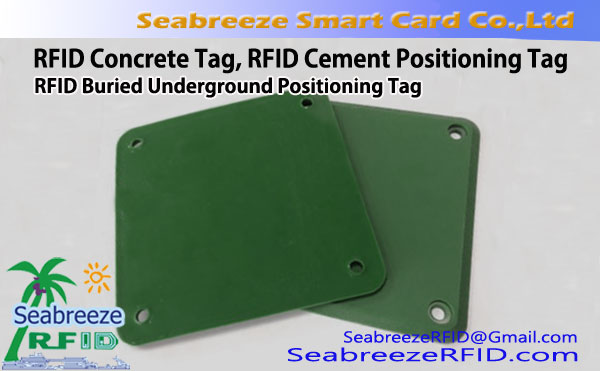
Main technical parameters Protocol: EPC Class1 Gen2,ISO 18000-6C Kushanda frequency: 860~ 960MHz IC chip: Alien Higgs 3 kana kutsanangura Memory: EPC 96 zvishoma(kusvika ku480bits), Mushandisi 512bit, TID64bit Working mode: Verenga / Nyora Zvinoshanda pamusoro: outdoor pavement or wall surface Yakagadziriswa muverengi akaverenga ranga(30dBm/8dBi): 5.5m Mahwendefa Akaverenga Akaverenga Range Range(R2000/3dBi): 80cm Dimension: 121*121*6mm Mashoko: Special plastics Color: Green or customized Kurema: 95g Mounting methods: Buried in cement or screw fixation IP rating: IP68 Kupisa tembiricha: -20°C~+110°C Kuchengetedza tembiricha: -30°C~+120°C
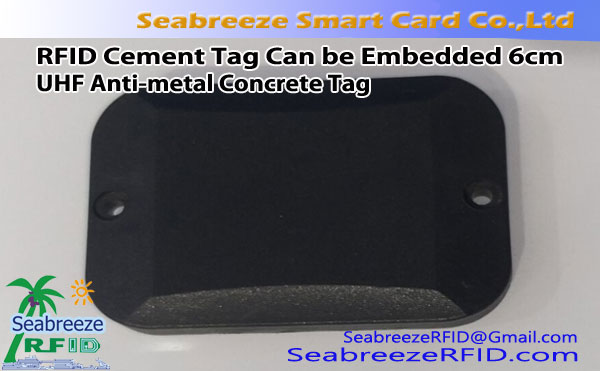
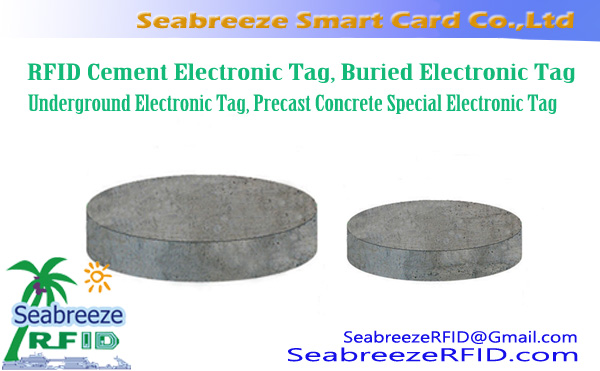
The RFID concrete tag is a chip with radio frequency (RFID) function implanted in the concrete test block, writes the corresponding concrete information data, through the corresponding data collection module, Kugadzirisa data module, Kuendesa data module, and display data module to achieve The remote monitoring of concrete data prevents data fraud. Parizvino, RFID technology has gradually been used in the product information management of cement plants to improve the management level of cement quality system, reduce management costs, and enhance the indispensable technology and management methods of core competitiveness. RFID buried electronic tags can be applied inside cement components, the installation depth is about 3cm, the water content will affect the reading distance, and the construction rebar will also affect the reading performance.
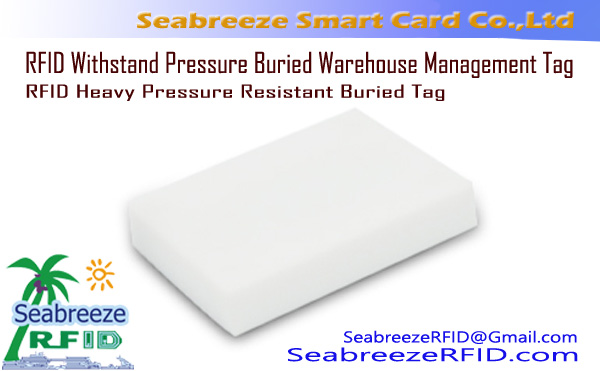
Product application areas: warehouse floor mark, construction wall management, municipal engineering, sidewalks, slow and fast lanes directly buried, underground pipeline location information mark, well covers, shallow trenches, tunnel cables, field pipelines, subways, gas cylinders, steel cylinders, nezvimwewo. Hazardous chemicals management, oil and gas pipeline mark, product mark, electronic maps, can also be used alone for direction mark.



 Fung
Fung
 Sales Manager